
LEARN
Bees Are Vital to the Ecosystem and the Economy
Not All Bees Are Created Equal
There are over 20,000 known species of bees, each of which has different physical characteristics, pollination habits, behaviors, and habitats. While there are many different species to examine, the two most common varieties are the bumblebee and the honey bee.
One way to differentiate between these two species is their appearances. Bumblebees are round and fuzzy, and honey bees are smaller and thinner. In fact, honey bees can easily be mistaken for wasps. And while honey bees have a clear distinction between the head and abdomen, bumblebees appear to be “all one piece.” Both of them have two sets of wings, but the honey bee's sets are more clearly separate.
Both of these two species have the black and yellow coloring that is traditionally associated with bees. However, other species come in a variety of colors including green, blue, and red. They can also display a range of aesthetic qualities such as stripes or a metallic sheen. In other words, if you’re trying to identify whether a particular insect is a bee, relying on color patterns alone isn’t a fool-proof indicator.
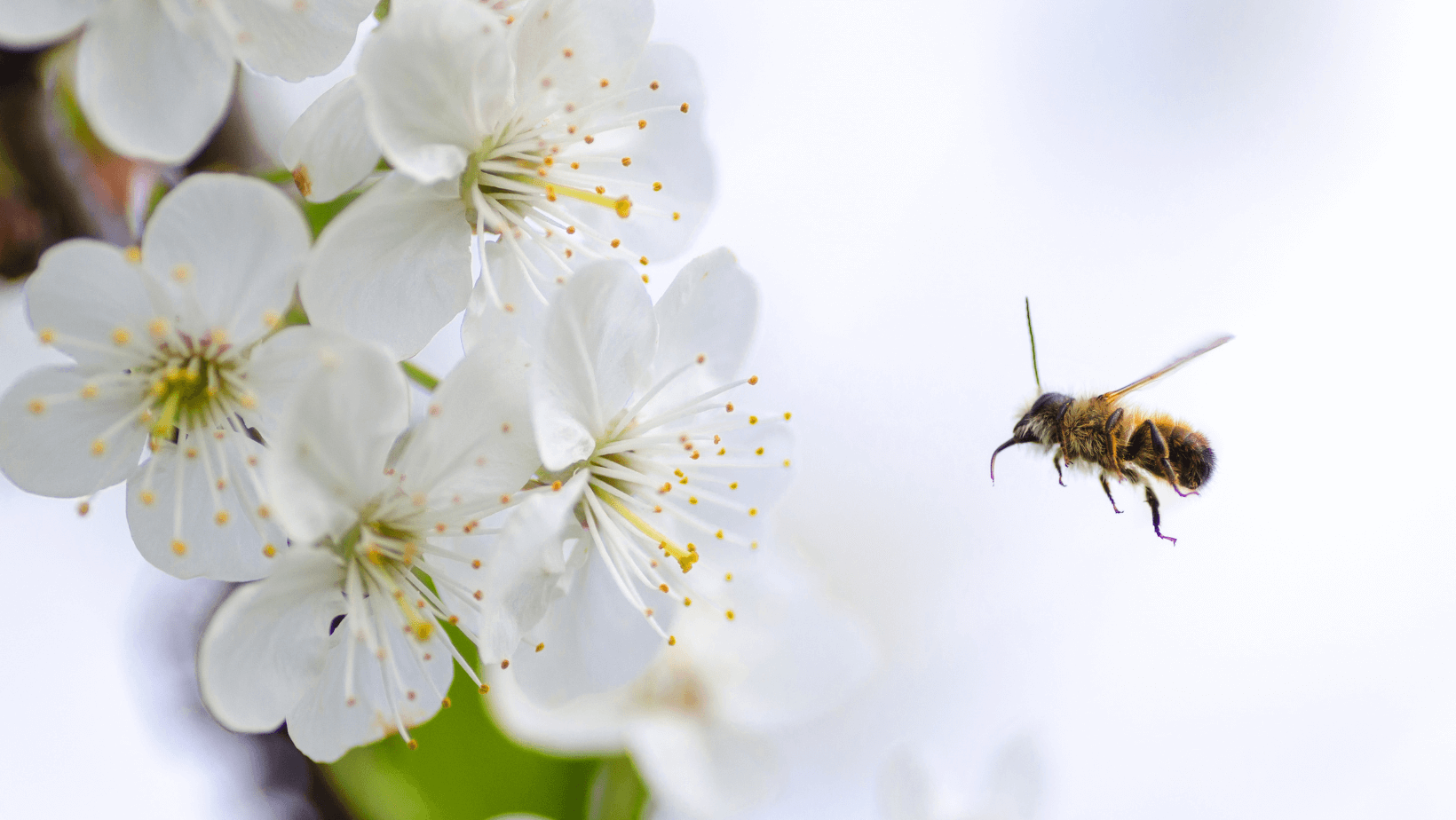
Bees feed exclusively on the nectar and pollen from flowering plants, unlike the carnivorous wasps from which they evolved. As they forage, they perform the critical act of pollination. When they enter a flower to feed, some of the pollen sticks to their body. Some of the pollen is then distributed to the next flower on which they land.
They are attracted to pollen because it provides a source of protein to their developing offspring. Most individual insects will focus on one kind of flower at a time, an evolutionary benefit that increases the odds that pollen from one plant will be distributed to another plant within the same species, a process known as cross-pollination.
This process results in fertilization, allowing the plant to generate the fruits and seeds that many other wildlife species rely on for food. In fact, bees pollinate a massive 80% of all flowering plants, including roughly 75% of the fruits, nuts, and vegetables grown in the United States. It’s even been estimated that they are responsible for one out of every three bites of food we eat.
Honey Bees
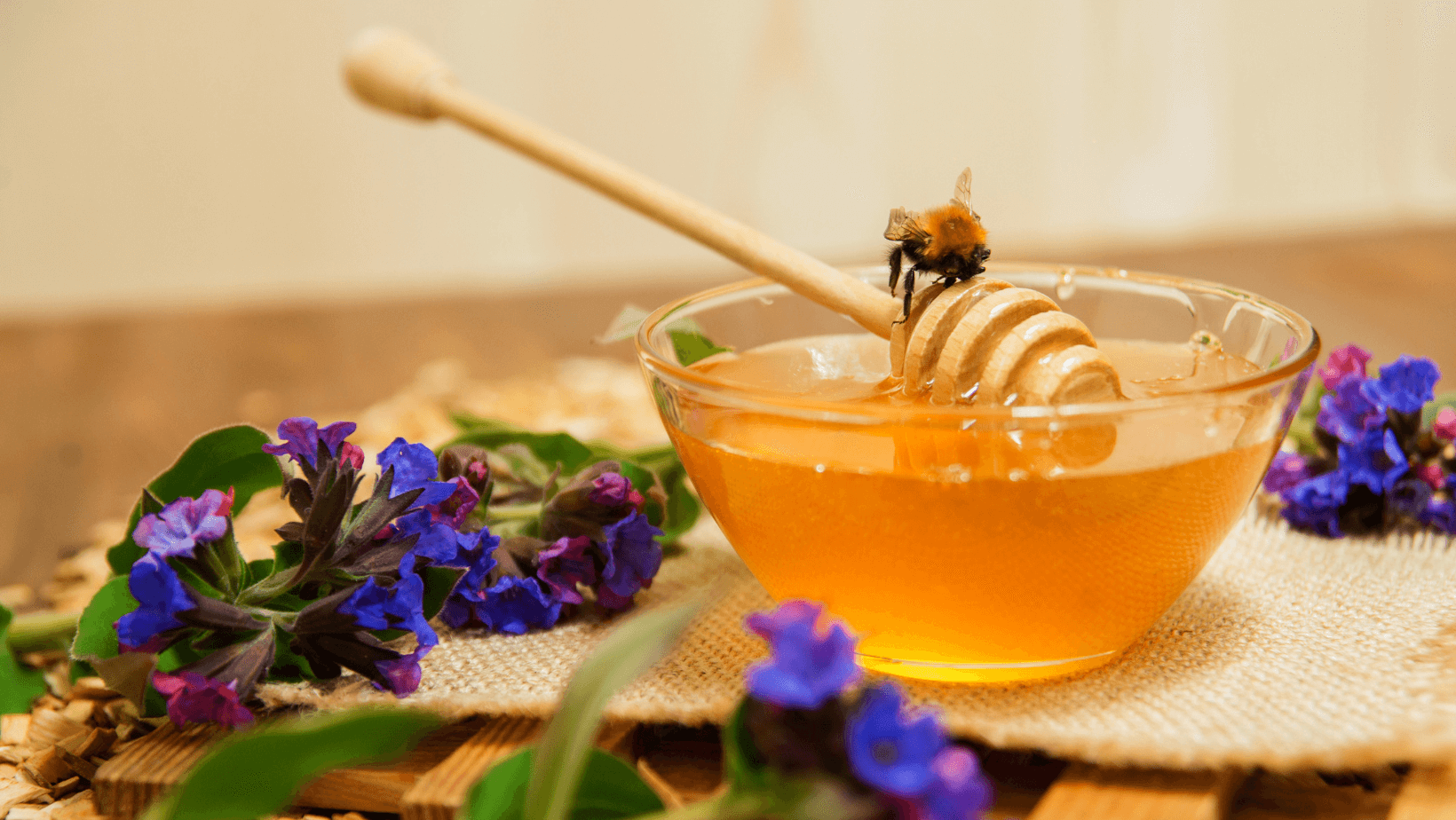
In addition to contributing to plant growth through pollination, honey bees also directly produce another food source enjoyed by humans and other animals. While most species are solitary nesters, honey bees are social insects and live together in nests or hives. One remarkable trait for which they’re known is the dancing movements they perform in the hive to communicate.
To create honey, the bees gather nectar which is stored in an internal organ known as the “honey stomach.” Back at the hive, workers regurgitate the nectar and pass it among themselves until their stomach enzymes have broken down the nectar into simple sugars. The process reduces the moisture in the nectar and once it has been dehydrated to roughly 17-20% water, it is transformed into honey.
Until modern times, honey was the only form of sugar available to most humans, making it a highly sought-after substance. As a result, honey bees have been domesticated by humans for centuries. It’s estimated that a worker bee will gather about 0.0288 ounces of honey during its lifetime, meaning it takes about 556 worker bees to create one pound of honey.
Trivia Questions
- VIDEO GAMES - Mr. Needlemouse was one of the original names proposed for what video game character?
Reveal answer
Sonic (the Hedgehog) - EVENTS - The largest hot air balloon festival in the world takes place in what U.S. city?
Reveal answer
Albuquerque (New Mexico) - GEOGRAPHY - The island nation of St. Kitts and Nevis is located in what sea?
Reveal answer
Caribbean - MYTHOLOGY - What day of the week is named for the Norse god Odin?
Reveal answer
Wednesday - TERMS - From the Latin for “it does not follow,” what term is defined as a conclusion or statement that does not logically follow from the previous argument or statement?
Reveal answer
Non Sequitur